
QuickBooks for Sole Traders & Why It’s the Smart Choice for Small Businesses
- ejmoss01
- Apr 22
- 4 min read
If you are a sole trader, there is a good chance your bookkeeping started with spreadsheets, notes, or even a pile of receipts. That works at the beginning, but as your business grows, it can quickly become difficult to manage.
Keeping track of income, expenses, and deadlines manually often leads to confusion, missed information, or last-minute stress when it comes to tax time.
That is where QuickBooks for sole traders can make a real difference. It is one of the most widely used accounting tools in the UK, designed to simplify financial management and give you a clearer view of your business.
In this guide, we will explain how QuickBooks works, why many small businesses choose it, and whether it is the right fit for you, especially if you are managing bookkeeping in Helston or the surrounding areas.

What Is QuickBooks And How Does It Work?
QuickBooks is a cloud-based accounting software that allows you to manage your business finances in one place.
Instead of relying on spreadsheets or manual records, it provides a system that updates automatically and keeps everything organised.
With QuickBooks, you can:
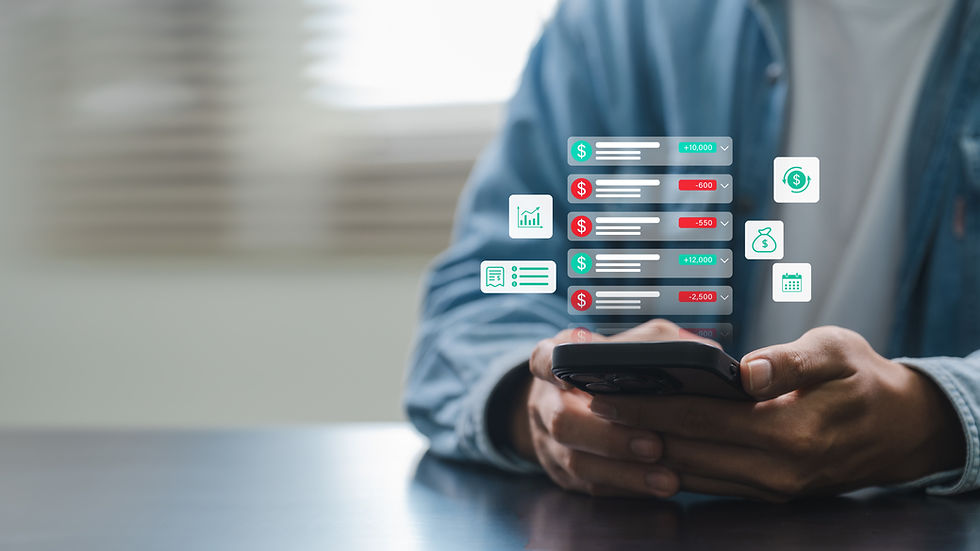
Track income and expenses in real time
Connect your bank account for automatic updates
Store receipts digitally
Create invoices and track payments
Generate financial reports instantly
For many sole traders, this removes time-consuming admin and reduces the risk of errors.
Why Do Many Sole Traders Switch To QuickBooks?
Does QuickBooks Make Bookkeeping Easier?
Yes, one of the main reasons sole traders switch to QuickBooks is to simplify their day-to-day bookkeeping.
Instead of manually entering every transaction, QuickBooks can automatically import and categorise much of your data. This makes it easier to keep your records accurate and up to date.
For businesses using bookkeeping services, this also makes it easier to stay organised and consistent.
Can QuickBooks Help You Understand Your Finances Better?
QuickBooks gives you a clear overview of your financial position at any time.
You can quickly see:
How much money is coming in
What you are spending
Whether your business is making a profit
This level of visibility helps you make better decisions without waiting until the end of the year.
Is QuickBooks Compliant With HMRC Requirements?
Yes, QuickBooks supports Making Tax Digital, which is a requirement set by HMRC.
Businesses must:
Keep digital financial records
Submit tax information using compatible software
QuickBooks is designed to meet these requirements, helping reduce the risk of errors or non-compliance.
How Does QuickBooks Compare To Spreadsheets?
Many sole traders begin with spreadsheets because they are simple and accessible. However, they can quickly become difficult to manage.
What Are The Limitations Of Spreadsheets?
Spreadsheets rely on manual input, which can lead to:
Errors in calculations
Missing transactions
Outdated information
They also do not provide real-time updates or built-in reporting.
What Features Of QuickBooks Are Most Useful For Small Businesses?
QuickBooks includes a range of tools designed to simplify financial management.
Key Features Include:
Expense tracking - Helps you categorise and monitor spending
Invoicing - Allows you to create and send professional invoices
Receipt capture - Lets you upload and store receipts digitally
Bank feeds - Automatically imports transactions
Financial reports - Provides insight into profit and cash flow
These features make it easier to stay organised throughout the year.
How Does QuickBooks Support Self-Assessment?
QuickBooks helps you keep your records organised, which makes preparing your tax return much easier.
You can:
Track income and expenses
Identify allowable expenses
Generate reports to support your return
This can be particularly helpful when dealing with self-assessment.
Does QuickBooks Help With VAT?
Yes, QuickBooks supports VAT tracking and reporting.
You can:
Apply VAT rates correctly
Track VAT on purchases and sales
Prepare VAT return data
This supports accurate submissions when using VAT services.
When Might QuickBooks Not Be The Right Choice?
While QuickBooks works well for many sole traders, it is not always necessary.
It may not be the best fit if:
Your business has very few transactions
You are comfortable managing simple records manually
You prefer a different accounting system
Choosing the right system depends on how your business operates.
Do You Need Help Setting Up QuickBooks?
QuickBooks is designed to be user-friendly, but the initial setup can make a big difference.
If it is not set up correctly, it can lead to:
Incorrect reports
Misclassified transactions
Confusion later on
Learn more about setup support on the Computerised Accounting Systems page.
What Are The Benefits Of Using QuickBooks With A Bookkeeper?
While QuickBooks is powerful on its own, many sole traders find it easier to use it alongside professional support.
A bookkeeper can help:
Keep your records accurate
Explain your financial data
Ensure everything stays up to date
Save you time
For those working with a bookkeeper, this approach offers both clarity and confidence.
Final Thoughts On QuickBooks For Sole Traders
QuickBooks is not just about replacing spreadsheets; it is about giving you a clearer and more organised way to manage your business finances.
For many sole traders, it provides:
Better visibility
Less admin
More confidence in financial decision-making
Understanding how it works is the first step in deciding whether it is right for your business.
If you are considering switching to QuickBooks but are not sure where to start, it can help to explore your options.


Comments