
Bookkeeping Services In Cornwall: What Sole Traders Need To Know
Bookkeeping services in Cornwall can help sole traders stay organised, understand their finances, prepare for self-assessment, and keep accurate records throughout the year. Good bookkeeping is not just about filing receipts. It helps you see what is coming in, what is going out, what tax may be due, and whether your business is moving in the right direction.
For sole traders, bookkeeping is especially important because your business finances directly affect your personal tax position. HMRC expects self-employed people to keep records of income, costs and profit, including proof such as receipts, invoices and bank statements.
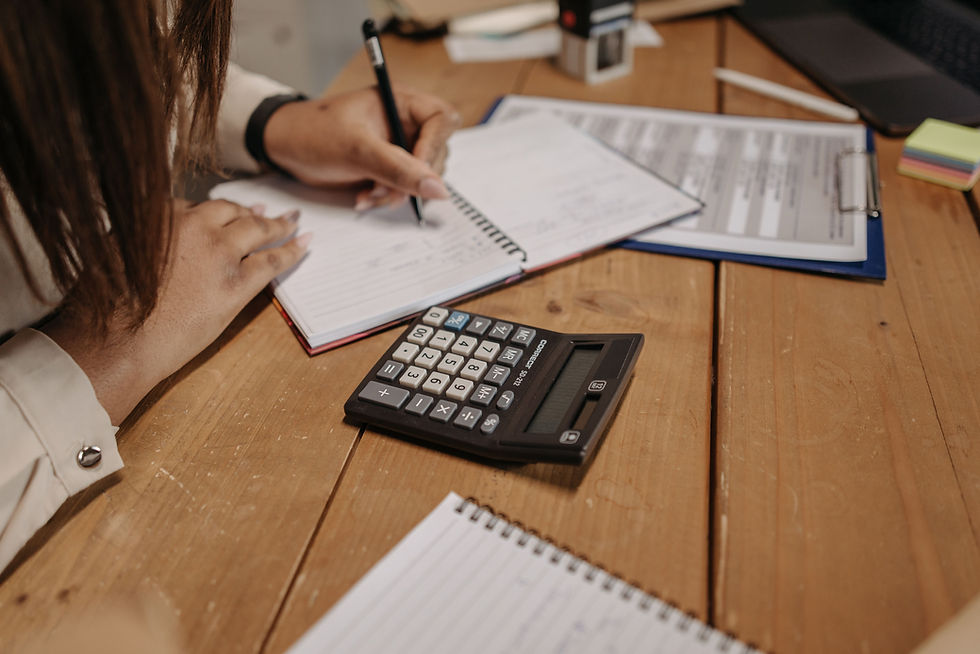
What Bookkeeping Actually Means For Sole Traders
Bookkeeping is the process of recording and organising your business finances.
For a sole trader, this usually includes:
Recording sales and income
Tracking business expenses
Keeping receipts and invoices
Reconciling bank transactions
Separating business and personal spending
Preparing figures for self-assessment
Keeping VAT records if registered
Reviewing cash flow and profit
The aim is simple: to make sure your records are accurate, complete and useful.
Good bookkeeping should help you answer everyday questions such as:
How much profit have I actually made?
What expenses can I evidence?
Am I putting enough aside for tax?
Are customers paying me on time?
Can I afford upcoming costs?
Is my business growing or just getting busier?
Why Sole Traders Often Fall Behind With Their Books
Many sole traders are skilled at their trade or profession, but do not have much spare time for admin. A hairdresser, nail technician, artist, designer, consultant, cleaner, therapist or tradesperson may spend the working day serving clients, then only look at receipts and invoices in the evening.
Common bookkeeping challenges include:
Leaving records until the tax return deadline
Mixing personal and business transactions
Losing receipts
Forgetting mileage or small expenses
Not reconciling bank payments
Using spreadsheets that no longer work well
Being unsure what records HMRC needs
Not knowing how much tax to set aside
These issues can make self-assessment more stressful than it needs to be. They can also make it harder to understand whether the business is healthy.
What A Bookkeeper Can Help With
A bookkeeper helps keep your financial records clear, up to date and ready for the next stage, whether that is a tax return, VAT return, cash flow review or business decision.
Keeping Records Accurate
Accurate records reduce guesswork. A bookkeeper can help record income, expenses, invoices, receipts and bank transactions in a consistent way.
Reconciling Bank Transactions
Bank reconciliation checks that your accounting records match what has actually happened in your bank account. This helps identify missing receipts, duplicate entries or payments that have been recorded incorrectly.
Preparing For Self-Assessment
Bookkeeping gives you the figures needed for your self-assessment tax return. If your records are organised throughout the year, the return is usually much easier to prepare.
You can also read more about self-assessment support for sole traders if tax return preparation is one of your main concerns.
Supporting VAT Records
If you are VAT registered, bookkeeping becomes even more important. VAT-registered businesses should keep VAT records and submit VAT returns using compatible software.
Learn more here.
Emma’s Bookkeeping Hub can support VAT record preparation and Making Tax Digital processes. You can explore VAT support for small businesses for more details.
Improving Financial Visibility
Bookkeeping is not only about compliance. It can also help you understand cash flow, profit, costs and patterns in your business.
For example, regular reports may show that income looks strong, but expenses are rising too quickly. Or they may highlight quieter periods where you need to plan ahead.
Bookkeeping Software: When Spreadsheets Stop Being Enough
Spreadsheets can work for very simple businesses, but they often become harder to manage as transactions increase.
Cloud accounting software can help sole traders:
Store records digitally
Connect bank feeds
Track invoices and expenses
Produce reports
Prepare for Making Tax Digital requirements
Reduce manual data entry
Emma’s Bookkeeping Hub supports both QuickBooks and Xero setup for sole traders and small businesses. If you are thinking about moving away from spreadsheets, the guide to computerised accounting systems explains how digital bookkeeping can help.

Making Tax Digital & Why It Matters
Making Tax Digital is changing how some sole traders report income and expenses to HMRC. HMRC guidance explains that Making Tax Digital for Income Tax is being introduced in stages, with requirements depending on qualifying income.
This matters because sole traders may need to use compatible software, keep digital records and send updates to HMRC.
Even if Making Tax Digital does not apply to you yet, getting your bookkeeping organised early can make future changes easier to manage.
What Good Bookkeeping Looks Like Month To Month
A useful bookkeeping routine does not need to be complicated. The key is consistency.
A monthly bookkeeping process might include:
Uploading receipts and invoices
Recording all income
Categorising expenses
Reconciling bank transactions
Checking unpaid invoices
Reviewing upcoming bills
Estimating tax savings
Looking at profit and cash flow
This regular rhythm can prevent the year-end panic that many sole traders experience before self-assessment deadlines.
Common Bookkeeping Mistakes To Avoid
Small mistakes can become time-consuming if they build up across the year.
Watch out for:
Using your personal account for business spending
Forgetting cash payments
Not keeping proof of expenses
Recording income only when it reaches the bank
Ignoring unpaid invoices
Not reviewing profit until tax season
Leaving VAT records until the quarter ends
Guessing figures for your tax return
HMRC expects self-employed people to keep proper business records, including proof of income and expenses. Keeping records as you go is much safer than trying to rebuild them months later.
When It Makes Sense To Get Bookkeeping Support
You may benefit from bookkeeping support if:
You are behind on your records
You feel unsure about self-assessment
You are spending evenings catching up on admin
Your business transactions are increasing
You want clearer reports
You are preparing for VAT
You are moving to QuickBooks or Xero
You want to understand your cash flow better
Support does not always need to be a large monthly package. Some sole traders only need a few hours each month, while others need more regular help with reports, reconciliations and financial organisation.
Emma’s Bookkeeping Hub works with sole traders and small businesses who want clear, practical support without losing control of their finances. You can view the full range of bookkeeping and accounting services or learn more about Emma’s background and qualifications.
Frequently Asked Questions
Do Sole Traders Need A Bookkeeper?
No, not every sole trader needs a bookkeeper. However, a bookkeeper can be helpful if your records are falling behind, you are unsure about expenses, or you want clearer financial visibility.
What Records Should A Sole Trader Keep?
Sole traders should keep records of income, business expenses, invoices, receipts, bank statements and other proof that supports their tax return.
Can A Bookkeeper Help With Self-Assessment?
Yes. A bookkeeper can help organise the records needed for self-assessment and support accurate preparation of income and expense figures.
Is Bookkeeping The Same As Accounting?
Not exactly. Bookkeeping focuses on recording and organising financial transactions. Accounting usually involves interpreting those records, preparing reports and supporting wider financial decisions.
Should I Use QuickBooks Or Xero?
QuickBooks and Xero can both help sole traders manage digital records. The right choice depends on how your business works, what reporting you need and how confident you feel using the software.
Keeping Your Books Clear, Accurate & Useful
Bookkeeping services in Cornwall can make a real difference for sole traders who want to stay organised, reduce deadline stress and understand what is happening in their business.
The best bookkeeping is not just tidy paperwork. It gives you accurate records, clearer cash flow, better tax preparation and more confidence when making decisions.
If you would like practical help getting your records organised, preparing for self-assessment, managing VAT or setting up QuickBooks and Xero, you can book a consultation with Emma’s Bookkeeping Hub or send an enquiry to talk through the support that suits your business.

Comments